Website Development Services for Aesthetic Providers & Med Spas in California
Expert website development services for aesthetic providers in California. Custom med spa websites, SEO, local search optimization, and patient-focused design.
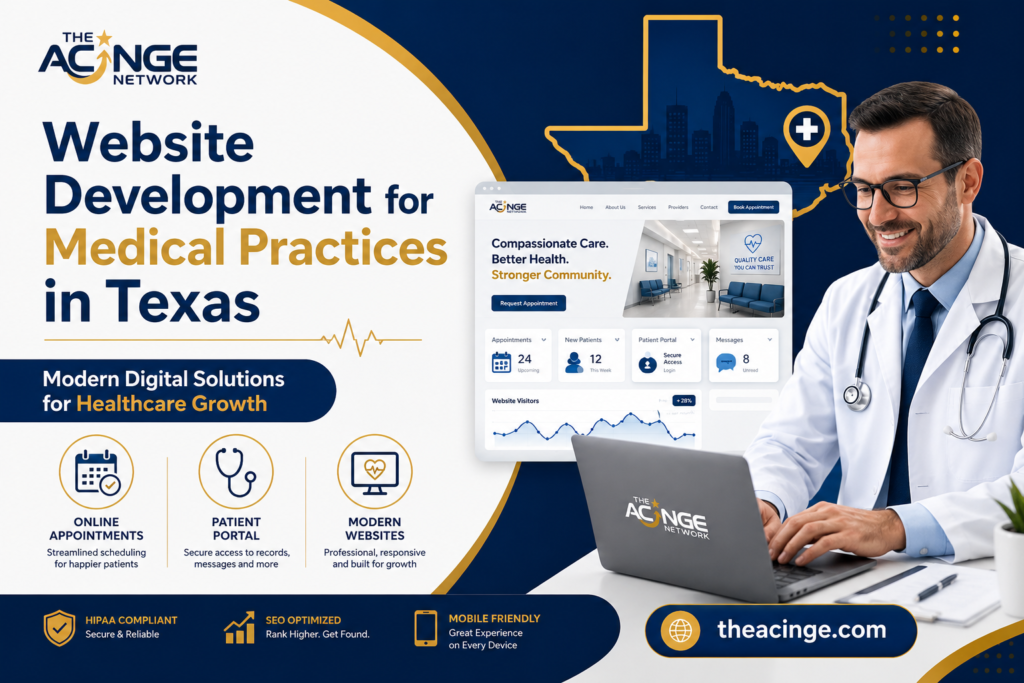
Website development for medical practices in Texas has become a critical investment for healthcare providers looking to improve patient engagement, increase appointment bookings, and strengthen their online presence. In today’s digital-first environment, patients expect healthcare organizations to provide fast, secure, and user-friendly online experiences. Whether you operate a family practice, dental clinic, urgent care center, specialty medical office, or healthcare organization, your website often serves as the first point of contact between your practice and potential patients. A professional healthcare website does more than provide information. It helps build trust, improve accessibility, streamline communication, and support practice growth. As competition among healthcare providers continues to increase throughout Texas, organizations that invest in modern website development gain a significant advantage. Why Healthcare Websites Matter More Than Ever Patients today research healthcare providers online before making decisions. They compare services, read reviews, review physician profiles, and evaluate the quality of a provider’s website before scheduling appointments. If your website appears outdated, difficult to navigate, or lacks essential information, patients may choose a competitor instead. Website development for medical practices in Texas helps healthcare providers meet modern patient expectations by creating digital experiences that are informative, accessible, and easy to use. Benefits of Professional Website Development Improved Patient Trust Trust is one of the most important factors in healthcare. A professionally designed website immediately communicates credibility and professionalism. Patients want to know: A professional website helps answer these questions and builds confidence before a patient ever visits your office. Better Patient Accessibility Modern patients expect access to healthcare information at any time. A well-designed healthcare website provides: This accessibility improves the patient experience while reducing administrative workload. Increased Appointment Requests One of the primary goals of healthcare website development is generating more patient appointments. Features such as online booking forms, appointment requests, and contact forms make it easier for patients to connect with healthcare providers. Convenience often leads to higher conversion rates and increased patient acquisition. Essential Features Every Texas Medical Website Needs Mobile-Friendly Design More than half of healthcare website traffic now comes from mobile devices. Responsive design ensures your website works seamlessly on smartphones, tablets, and desktops. Mobile optimization improves user experience and helps increase search engine visibility. Online Appointment Scheduling Patients increasingly expect online scheduling capabilities. Online booking systems help: Provider Profiles Patients want to learn about physicians before scheduling appointments. Provider profiles should include: These details help build trust and improve engagement. Patient Education Resources Educational content helps position your practice as a trusted authority. Examples include: Patient resources also improve SEO performance by providing valuable content for visitors. Secure Contact Forms Healthcare websites must prioritize privacy and security. Secure forms help patients communicate with your practice while maintaining confidence in your organization’s professionalism. SEO Benefits for Healthcare Websites Search engine optimization plays a major role in healthcare website success. SEO helps medical practices: Local SEO is especially important for healthcare providers serving specific Texas communities. Why Texas Healthcare Providers Need Digital Solutions Texas continues to experience population growth, creating increased demand for healthcare services. Patients expect digital convenience, including: Healthcare providers that embrace digital transformation are better positioned to meet these expectations. Common Website Mistakes Healthcare Providers Make Many medical websites fail to achieve their goals because they suffer from common problems: Outdated Design Old designs can negatively impact patient perception. Slow Website Performance Patients often leave websites that take too long to load. Poor Navigation Visitors should be able to quickly find important information. Lack of Mobile Optimization Mobile usability is essential in today’s healthcare environment. Future Trends in Healthcare Website Development Healthcare websites continue evolving through new technologies and patient expectations. Emerging trends include: Medical practices that adopt these innovations can improve both patient satisfaction and operational efficiency. Why Partner with The Acinge Network The Acinge Network helps healthcare organizations strengthen their digital presence through professional website development and digital solutions. Healthcare providers can benefit from: The goal is to create websites that support patient engagement, improve accessibility, and contribute to long-term organizational growth. Conclusion Website development for medical practices in Texas is no longer optional. It has become a vital component of patient engagement, communication, and growth. Healthcare providers that invest in professional website development can improve patient trust, increase appointment requests, and create better digital experiences. As healthcare continues to evolve, organizations that prioritize digital transformation will be better positioned to meet patient expectations and remain competitive throughout Texas.
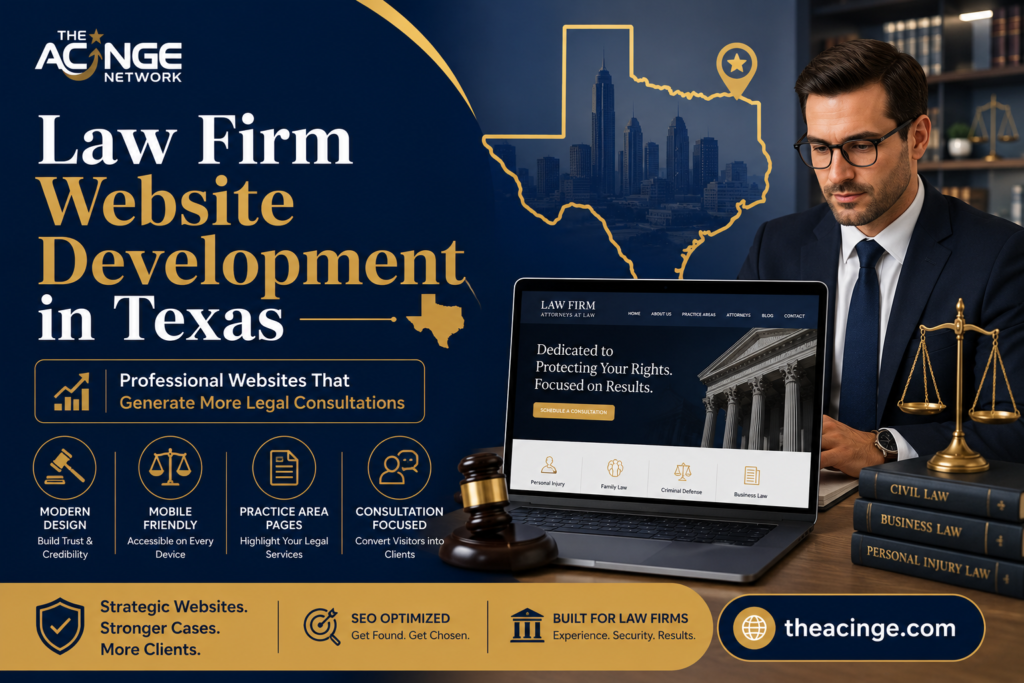
In today’s highly competitive legal industry, having a professional website is no longer optional for Texas law firms. Potential clients increasingly search online when looking for legal representation, and your website is often the first impression they have of your firm. Whether you specialize in personal injury law, family law, criminal defense, immigration law, business law, estate planning, or other legal services, a modern website can help establish credibility, attract new clients, and grow your practice. Law firm website development in Texas has evolved significantly over the past few years. Modern legal websites are designed not only to look professional but also to generate leads, improve client communication, and strengthen online visibility. This guide explains everything Texas attorneys need to know about building a successful law firm website in 2026. Why Every Texas Law Firm Needs a Professional Website Today’s legal clients are digital-first consumers. Before contacting an attorney, most people: If your law firm lacks a professional online presence, potential clients may choose competitors with stronger digital visibility. A well-designed website helps position your firm as trustworthy, experienced, and accessible. Benefits of Law Firm Website Development in Texas Build Credibility and Trust Trust is one of the most important factors when choosing legal representation. Potential clients want confidence that they are hiring an experienced attorney who can help solve their legal challenges. A professional website builds trust by showcasing: These elements help reassure visitors that your firm is qualified and capable. Generate More Client Leads One of the primary goals of law firm website development in Texas is lead generation. A professionally designed website helps convert visitors into consultations through: The easier it is for potential clients to contact your firm, the more opportunities you create. Improve Online Visibility Many legal searches begin on search engines. Examples include: Search engine optimization helps law firms appear in these searches and attract qualified leads. Essential Features Every Texas Law Firm Website Needs Mobile-Friendly Design Most legal website visitors now browse on mobile devices. A mobile-responsive website ensures your content displays properly on: Mobile optimization improves user experience and search rankings. Attorney Profiles Clients want to know who will represent them. Attorney profile pages should include: Professional attorney photos can further strengthen trust. Practice Area Pages Each legal service should have its own dedicated page. Examples include: Dedicated practice area pages improve user experience and SEO performance. Consultation Request Forms Most visitors want quick access to legal assistance. A consultation form helps potential clients: This feature can significantly increase lead generation. Client Testimonials Positive client experiences help build credibility. Testimonials provide social proof and reassure potential clients that your firm delivers results. Why SEO Matters for Texas Law Firms Search engine optimization plays a critical role in law firm growth. SEO helps attorneys: Law firm website development in Texas should always include SEO best practices to maximize visibility. Local SEO for Texas Attorneys Most law firms serve clients within specific cities and regions. Local SEO helps law firms appear in searches such as: Optimizing for local searches increases visibility among nearby clients. Common Mistakes Law Firms Make With Their Websites Outdated Website Design An outdated website may create a negative impression and reduce trust. Modern legal websites should be clean, professional, and easy to navigate. Poor Mobile Experience Mobile users expect websites to function smoothly on smaller screens. Failure to optimize for mobile can lead to lost opportunities. Slow Loading Speed Visitors often leave websites that take too long to load. Website speed affects both user experience and search rankings. Lack of Clear Calls-to-Action Potential clients should always know what action to take next. Examples include: Strong calls-to-action improve conversion rates. Website Security for Law Firms Legal websites often handle sensitive information. Security measures should include: Protecting client information helps maintain trust and professionalism. Future Trends in Law Firm Website Development Technology continues to transform the legal industry. Emerging trends include: Law firms that embrace innovation can provide better client experiences and improve operational efficiency. How The Acinge Network Supports Texas Law Firms The Acinge Network helps legal professionals strengthen their digital presence through professional website development solutions. Services focus on: A professionally developed law firm website can help attorneys attract more clients while building trust and authority online. Conclusion Law firm website development in Texas has become an essential investment for attorneys looking to grow their practice in 2026. A professional website helps improve credibility, generate leads, enhance client communication, and strengthen online visibility. As legal clients continue to rely on digital research when selecting attorneys, law firms that invest in modern website development will be better positioned to compete and succeed in the Texas legal market. A strong online presence is no longer a luxury—it’s a necessity for long-term legal practice growth.
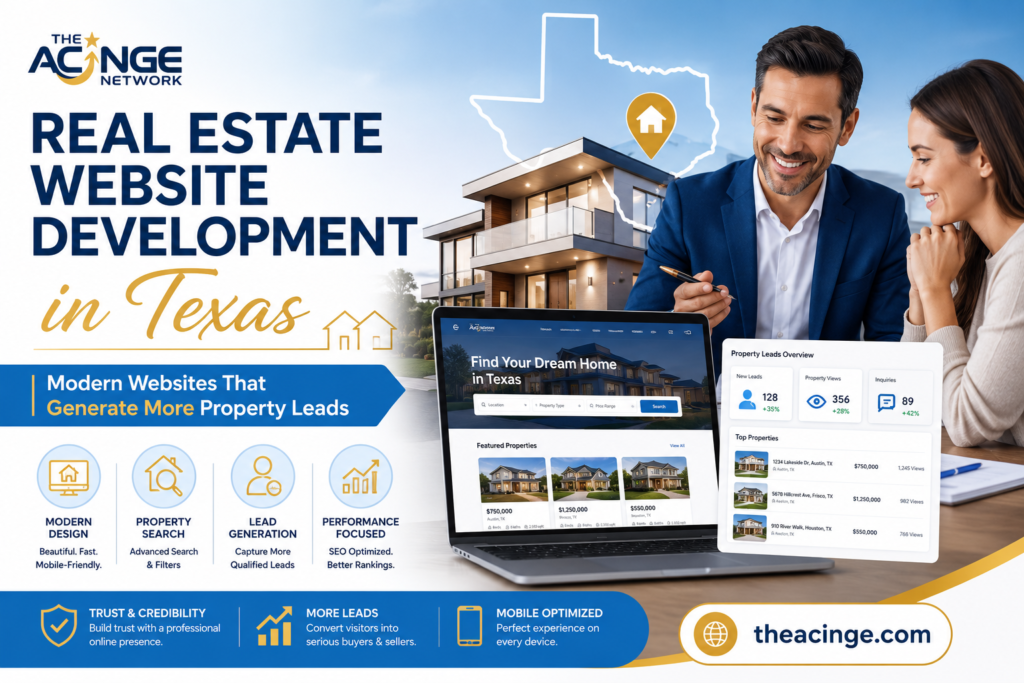
The real estate industry in Texas is more competitive than ever. Buyers and sellers now begin their property search online, making a professional website one of the most important tools for real estate agents, brokers, and agencies. A well-designed real estate website helps generate leads, showcase listings, build trust, and create a better experience for potential clients. In 2026, having a strong online presence is no longer optional—it’s a necessity for success in the Texas real estate market. Whether you are an independent realtor, a growing brokerage, or an established real estate company, investing in professional website development can help you attract more clients and close more deals. This guide explores the essential features, benefits, and best practices for real estate website development in Texas. Why Real Estate Websites Matter More Than Ever Today’s homebuyers and sellers rely heavily on online research. Before contacting a realtor, most people: If your real estate business lacks a professional website, potential clients may never discover your services. A modern website serves as your digital storefront and often creates the first impression of your brand. Benefits of Real Estate Website Development in Texas Generate More Qualified Leads One of the biggest advantages of a professional real estate website is lead generation. A website allows visitors to: These features help convert website visitors into potential clients. Build Trust and Credibility Real estate transactions involve significant financial decisions. Clients want to work with professionals they trust. A professional website helps establish credibility by displaying: Trust plays a major role in helping clients choose the right real estate professional. Increase Brand Visibility A well-optimized website helps your business appear in search engine results when people search for: Greater visibility leads to increased traffic and more opportunities. Essential Features Every Texas Real Estate Website Needs Mobile-Friendly Design Most real estate searches happen on smartphones. Potential buyers frequently browse listings while: A mobile-responsive website ensures users can access listings and information from any device. Property Listings Property listings are the heart of every real estate website. Listings should include: Detailed listings improve engagement and increase inquiries. MLS Integration MLS (Multiple Listing Service) integration allows real estate websites to display up-to-date property information. Benefits include: MLS integration is one of the most valuable features for Texas real estate websites. Agent Profiles Clients want to know who they will be working with. Agent profiles should include: Strong agent profiles help establish trust and credibility. Lead Capture Forms Lead capture forms allow visitors to: Effective lead generation tools help convert visitors into clients. Why SEO Matters for Texas Realtors Search engine optimization helps real estate professionals attract local buyers and sellers. SEO improves: Real estate website development in Texas should always include SEO best practices to maximize online exposure. Local SEO for Texas Real Estate Businesses Most real estate transactions occur within specific cities and communities. Local SEO helps businesses appear in searches such as: Optimizing for local searches helps attract highly targeted traffic. Virtual Tours and Interactive Experiences Modern buyers expect more than static images. Virtual tours allow visitors to explore properties remotely. Benefits include: Virtual experiences are becoming increasingly important in real estate marketing. Common Mistakes Real Estate Businesses Make Online Poor Website Design Outdated websites can make a business appear less professional. Modern real estate websites should be visually appealing and easy to navigate. Slow Loading Speed Property websites often contain large images. Without optimization, slow loading speeds can drive visitors away. Lack of Mobile Optimization Mobile usability is critical for today’s buyers and sellers. Limited Property Information Incomplete listings can reduce interest and lead generation. Detailed property information helps buyers make informed decisions. Website Security for Real Estate Companies Real estate websites frequently collect sensitive client information. Security features should include: A secure website builds trust and protects user data. Future Trends in Real Estate Website Development Technology continues transforming the real estate industry. Emerging trends include: Real estate businesses that embrace innovation will gain a competitive advantage. How The Acinge Network Supports Texas Real Estate Businesses The Acinge Network helps real estate professionals build modern, high-performing websites that improve visibility, generate leads, and support business growth. Services focus on: The goal is to help Texas real estate businesses create digital experiences that attract buyers, sellers, and investors. Frequently Asked Questions Why is website development important for Texas realtors? A professional website helps realtors attract leads, showcase listings, build trust, and improve visibility online. What features should every real estate website include? Important features include property listings, MLS integration, mobile responsiveness, lead capture forms, and agent profiles. Does SEO help real estate businesses? Yes. SEO helps real estate companies rank higher in search results and attract more local buyers and sellers. How can a website generate more real estate leads? By providing valuable property information, lead forms, virtual tours, and clear calls-to-action, websites can convert visitors into potential clients. Conclusion Real estate website development in Texas has become one of the most important investments agents and agencies can make in 2026. A professional website helps generate leads, build trust, improve visibility, and provide a better experience for buyers and sellers. As technology continues to reshape the real estate industry, businesses that invest in modern website development will be better positioned for long-term growth and success. A strong online presence is no longer optional, it’s essential for competing in today’s Texas real estate market.
Looking for custom software development in Texas? Learn how to build scalable, secure digital solutions designed to grow your business effectively.
Learn how to dominate local search results in Texas. Discover actionable SEO strategies to boost your rankings, increase local leads, and outpace competitors.
Is your cloud bill skyrocketing? Discover 7 proven cloud cost optimization strategies to scale your AWS and GCP infrastructure without wasting spend.
Healthcare in 2026 is becoming increasingly connected, digital, and technology-driven. Across Texas, healthcare providers are adapting to modern systems that improve communication, accessibility, efficiency, and patient support. As healthcare organizations continue to evolve, digital solutions are becoming essential for delivering better experiences for both providers and patients. The Acinge Network plays an important role in helping healthcare providers navigate this digital transformation by offering professional digital support services designed to improve communication, workflow efficiency, accessibility, and healthcare operations. In today’s healthcare environment, providers need more than traditional systems. They need reliable digital solutions that help them stay organized, accessible, responsive, and connected in a rapidly changing healthcare landscape. Why Digital Transformation Matters in Healthcare The healthcare industry has changed significantly over the past few years. Patients now expect healthcare services to be more accessible, responsive, and digitally connected. Healthcare providers are increasingly adopting digital systems to improve: Technology is helping healthcare organizations simplify processes while improving the overall patient experience. In Texas, where healthcare demand continues to grow across cities and communities, digital healthcare support has become increasingly important for providers seeking more efficient and modern healthcare operations. The Growing Need for Healthcare Digital Solutions in Texas Texas continues to experience major healthcare growth due to: Healthcare providers now require systems that support: Digital healthcare solutions are helping providers reduce inefficiencies while improving patient experiences and accessibility. How The Acinge Network Helps Healthcare Providers The Acinge Network provides digital support services that help healthcare providers improve operations, communication, and accessibility through modern digital solutions. The focus is on helping healthcare organizations: Healthcare providers need dependable systems that help them operate efficiently while maintaining professionalism and compassionate care. Improving Digital Communication in Healthcare Communication is one of the most important parts of healthcare. Patients expect healthcare providers to communicate clearly, professionally, and efficiently through digital platforms. The Acinge Network supports healthcare providers by helping improve: Improved communication helps healthcare organizations respond more effectively while strengthening trust and patient satisfaction. Supporting Better Patient Accessibility Modern healthcare increasingly depends on accessibility. Patients want easier access to: The Acinge Network helps healthcare providers improve digital accessibility so patients can interact with healthcare services more conveniently and efficiently. Improving accessibility helps healthcare organizations provide more supportive and responsive patient experiences. Streamlining Healthcare Operations Through Digital Solutions Healthcare operations involve many moving parts that require coordination and efficiency. Digital systems help healthcare organizations: The Acinge Network supports healthcare providers by helping them integrate digital solutions that improve organization and operational efficiency. Healthcare providers benefit from systems that reduce complications and improve workflow consistency. Digital Solutions and Healthcare Efficiency Efficiency is critical in healthcare environments where time, communication, and coordination directly impact patient experiences. Modern healthcare technology helps providers: Digital transformation allows healthcare providers to focus more on patient support while reducing operational inefficiencies. Supporting Healthcare Awareness and Community Engagement Healthcare providers today do more than offer medical services. They also educate and support communities through awareness and communication. The Acinge Network helps healthcare organizations strengthen community engagement through: Community engagement helps healthcare organizations build stronger relationships while improving public awareness around healthcare-related issues. Healthcare awareness initiatives can also improve trust and encourage healthier communities. You can also read our guide on supporting medically fragile children to understand the importance of compassionate healthcare awareness and community support. The Importance of Trust in Digital Healthcare Trust remains one of the most important aspects of healthcare. Patients want healthcare providers that appear: Digital systems play a major role in shaping how healthcare organizations communicate and interact with patients. The Acinge Network helps healthcare providers strengthen digital trust by supporting professional communication systems and accessible digital experiences. Strong communication and reliable digital systems improve patient confidence and overall healthcare experiences. Supporting Modern Healthcare Workflows Healthcare providers often manage multiple responsibilities daily, including: Digital healthcare systems help providers simplify these processes while improving organization and efficiency. The Acinge Network supports healthcare organizations by helping them adopt modern digital workflows that improve structure and reduce operational stress. Efficient systems create better experiences for both healthcare providers and patients. Why Digital Healthcare Solutions Continue to Grow Healthcare technology continues to evolve rapidly in 2026. Healthcare organizations increasingly depend on: Providers who adopt digital healthcare solutions are better positioned to improve efficiency, accessibility, and patient engagement. The future of healthcare will continue to depend heavily on technology and digital systems that improve healthcare experiences. The Role of Technology in Patient-Centered Care Patient-centered care focuses on improving the overall patient experience through better communication, accessibility, and support. Digital healthcare systems help providers: Technology allows healthcare providers to better support patients while improving overall healthcare coordination. Why Healthcare Providers Need Reliable Digital Support As healthcare becomes more digital, providers need dependable support systems that help them adapt effectively. Digital support services help healthcare organizations: Healthcare providers who invest in digital support systems are better equipped for long-term growth and sustainability. The Future of Healthcare Digital Transformation in Texas Texas continues to become a major center for healthcare growth and innovation. As digital healthcare adoption increases, healthcare providers will continue depending on: Healthcare organizations that embrace digital transformation are building stronger systems for future healthcare delivery. The Acinge Network supports this transformation by helping healthcare providers improve digital operations and communication systems that support both healthcare teams and patients. Final Thoughts Healthcare in 2026 is becoming more connected, digital, and patient-focused than ever before. Healthcare providers across Texas are increasingly relying on digital systems to improve communication, accessibility, workflow efficiency, and patient experiences. The Acinge Network supports healthcare providers through professional digital solutions that help strengthen healthcare communication, streamline operations, improve accessibility, and support modern healthcare environments. As healthcare continues evolving, organizations that invest in reliable digital systems and communication support will be better positioned for long-term success and improved patient care. For more insights on digital growth, healthcare awareness, modern technology, and professional digital solutions, visit theacinge.com
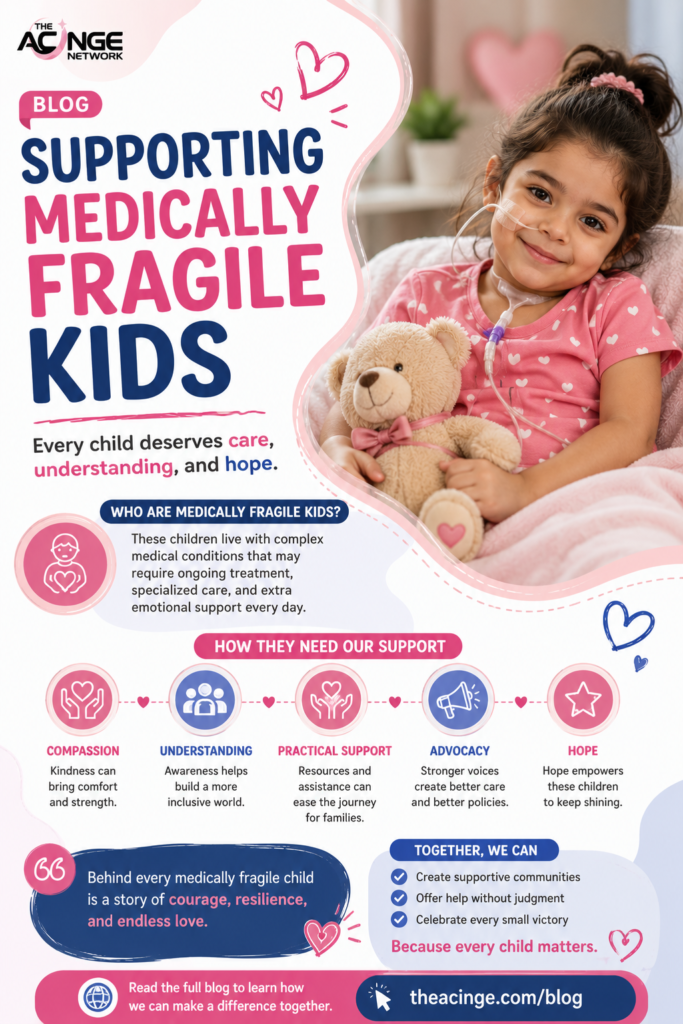
Every child deserves love, care, protection, and the opportunity to live a meaningful life. However, for medically fragile children and their families, daily life often involves challenges that many people may never fully understand. In 2026, awareness around medically fragile children is becoming increasingly important as more families, caregivers, healthcare professionals, and communities work together to create better support systems for children with serious medical conditions. Behind every medically fragile child is a family navigating emotional stress, medical responsibilities, financial pressure, and uncertainty while still trying to provide the best possible quality of life for their child. This is why awareness, compassion, and community support matter more than ever. What Does It Mean to Be Medically Fragile? A medically fragile child is a child who has complex health conditions that require ongoing medical attention, specialized treatment, or continuous monitoring. These children may experience: Many medically fragile children depend on caregivers, medical equipment, medications, therapy, or regular hospital visits to maintain their health and well-being. While every child’s condition is different, one thing remains the same: these children deserve understanding, support, and compassion. The Daily Reality of Families and Caregivers Caring for a medically fragile child requires extraordinary patience, dedication, and emotional strength. For many parents and caregivers, daily life includes: These responsibilities can become physically exhausting and emotionally overwhelming over time. Many caregivers sacrifice sleep, personal goals, financial stability, and social activities to ensure their children receive proper care. Despite these challenges, families continue to show remarkable love and resilience every single day. Why Awareness Matters in 2026 In today’s fast-moving digital world, important social and health-related issues are often overshadowed by entertainment and online trends. Raising awareness about medically fragile children helps society better understand the challenges families face and encourages more compassionate communities. Awareness matters because it: The more people understand these challenges, the more supportive society can become. The Emotional Challenges Families Face Beyond the physical responsibilities, caring for a medically fragile child can deeply affect emotional and mental well-being. Many families experience: Some caregivers spend years focusing entirely on their child’s medical needs while neglecting their own emotional health. This is why emotional support and community understanding are extremely important. Families should never feel alone in their journey. Financial Challenges of Medical Care Medical care can be incredibly expensive for many families. Costs may include: In many cases, one parent may reduce work hours or stop working completely to become a full-time caregiver. This creates additional financial pressure on families already dealing with emotional stress. Supporting medically fragile children also means supporting the families who care for them. The Importance of Compassion in Society Compassion plays a major role in creating a better environment for medically fragile children. Simple acts of kindness can make a significant difference, including: Even small gestures can help families feel supported and understood. In a world that often moves quickly, compassion reminds people to slow down and care for one another. How Communities Can Help Communities play an important role in improving the lives of medically fragile children and their families. Support can come from: Communities can help by: Strong communities reduce isolation and create a sense of belonging for families facing difficult circumstances. The Power of Digital Awareness The internet has made it easier than ever to spread awareness and educate people globally. Blogs, social media platforms, videos, and online communities allow people to: Digital awareness can create real impact when people use online platforms to spread meaningful messages instead of negativity. In 2026, online storytelling continues to be one of the most powerful ways to inspire empathy and understanding. Why Inclusive Environments Matter Medically fragile children deserve to feel included, respected, and valued in society. Inclusive environments help children: Schools, communities, and organizations should work toward creating spaces where children with medical conditions feel safe and included. Inclusion improves emotional well-being not only for children but also for their families. Supporting Caregivers Is Equally Important Caregivers often spend so much time caring for others that they forget to care for themselves. Supporting caregivers is essential because caregiver burnout is real. Caregivers need: When caregivers are supported, they are better able to care for their children effectively. Society should recognize the incredible sacrifices many caregivers make every day. How Technology Is Helping Medically Fragile Children Technology continues to improve the lives of medically fragile children in many ways. Advancements in healthcare technology now provide: Digital communities also help families connect with others facing similar experiences, reducing feelings of isolation. Technology has created new opportunities for education, communication, and support. Raising Awareness Through Storytelling Stories are powerful because they create emotional connection and understanding. When families share their experiences, they help others: Authentic storytelling reminds society that behind every medical condition is a real child and a real family facing daily challenges. Awareness begins when people are willing to listen and learn. Why Kindness Matters More Than Ever in 2026 In today’s digital world, negativity spreads quickly online. However, kindness remains one of the most powerful forces people can share. Supporting medically fragile children is not only about medical care—it is about humanity, compassion, dignity, and emotional support. People may not always understand what families are going through, but empathy can make a huge difference. A supportive message, kind conversation, or shared story can positively impact someone’s life more than people realize. Building a More Supportive Future Creating a better future for medically fragile children requires collective effort from society. This includes: The more society becomes informed and compassionate, the better support systems families can receive. Every child deserves hope, love, and the opportunity to thrive regardless of medical challenges. Final Thoughts Supporting medically fragile children is about more than healthcare—it is about creating a compassionate society where families feel supported, understood, and valued. In 2026, awareness and empathy are more important than ever. Families caring for medically fragile children face emotional, physical, and financial challenges every day, yet they continue to show extraordinary resilience and love. By raising awareness,
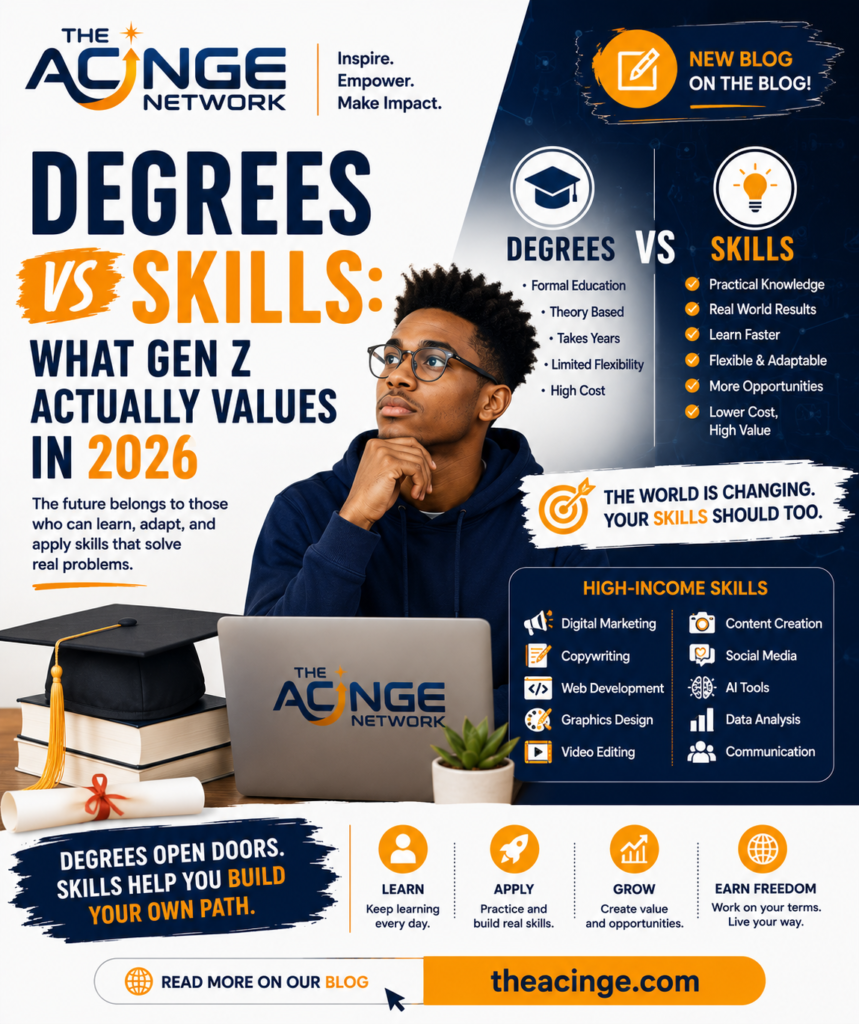
The debate around degrees vs skills is becoming one of the most important conversations shaping education, careers, and the future of work in 2026. For decades, society taught people that success depended on getting a university degree, finding a stable job, and climbing the traditional career ladder. While education is still valuable, Gen Z is beginning to challenge the idea that a degree alone guarantees success. Today’s world is changing rapidly. Technology is evolving, industries are transforming, and new digital opportunities are emerging every day. As a result, many young people are focusing less on certificates and more on practical skills that can help them earn, grow, and stay relevant in a competitive economy. Gen Z is redefining success in a way previous generations never imagined. Why the Degrees vs Skills Debate Matters in 2026 The world of work is no longer the same as it was ten years ago. Employers are becoming more interested in what people can actually do rather than only looking at academic qualifications. In 2026, businesses value: This shift has made practical skills more important than ever before. At the same time, many graduates around the world are struggling to find jobs despite having university degrees. This has caused many young people to question whether traditional education alone is enough to succeed in the modern economy. Why Gen Z Is Prioritizing Skills Gen Z grew up in the digital era. They have seen people build successful careers online without following traditional paths. From content creators to digital marketers, software developers, freelancers, and online business owners, many individuals are generating income through skills they learned online. Because of this, Gen Z values: Instead of asking: “Which degree should I study?” Many are asking: “Which skills will help me build the life I want?” The Rise of Skill-Based Careers Technology has created an entirely new economy where skills can often matter more than formal education. Today, people can build careers in: Many of these industries focus more on portfolios and experience than academic qualifications. For example, a skilled graphic designer with a strong portfolio may get hired faster than someone with a degree but no practical experience. Are Degrees Still Valuable? Even though skills are becoming more important, degrees still have value in many professions. Fields such as: still require formal education and certification. A university degree can also: However, in 2026, a degree without practical skills is often not enough. Employers increasingly want individuals who can apply knowledge in real-world situations. Why Employers Are Focusing on Skills Companies today operate in fast-changing environments. They need workers who can adapt quickly and solve problems effectively. As a result, many organizations now use skill-based hiring. Instead of focusing only on educational qualifications, employers evaluate: This shift benefits people who continuously learn and improve themselves outside traditional education systems. The Internet Has Changed Everything The internet has completely transformed access to learning. In the past, people relied heavily on schools and universities to gain knowledge. Today, anyone with internet access can learn valuable skills online. Platforms like: have made education more accessible than ever before. This means people can: The digital economy rewards people who are willing to learn continuously. The Benefits of Learning High-Income Skills Learning practical skills in 2026 offers several major advantages. Increased Career Opportunities People with valuable skills can work in multiple industries and adapt more easily to economic changes. Faster Income Generation Unlike traditional career paths that may take years, some digital skills can begin generating income within months. Remote Work Flexibility Many skill-based careers allow individuals to work from anywhere in the world. Greater Independence Practical skills create opportunities for freelancing, entrepreneurship, and side hustles. Global Opportunities Digital skills allow people to work with international clients and companies remotely. Important Skills Gen Z Is Learning in 2026 Some of the most valuable skills in 2026 include: These skills are becoming increasingly important because businesses depend heavily on digital platforms. You can also read our guide on personal branding in 2026 to understand how online visibility creates opportunities. The Danger of Depending Only on Degrees One major problem in today’s economy is relying entirely on academic qualifications without developing practical skills. Many graduates struggle because they: This is why continuous learning is becoming essential. The future belongs to people who can combine knowledge with practical ability. Degrees vs Skills in Nigeria in 2026 The conversation around degrees vs skills is especially important in Nigeria. Young Nigerians are increasingly exploring: as alternatives to traditional employment. With the rise of the digital economy, practical skills are helping many people create income opportunities beyond local limitations. As internet access continues to expand, more Nigerians are learning valuable digital skills and working with global clients. Those who combine education with practical digital abilities will have a strong advantage in the future. How to Build Valuable Skills in 2026 If you want to stay competitive in today’s world, here are practical steps you can take: 1. Identify High-Demand Skills Focus on industries and skills that are growing rapidly. 2. Learn Online Take advantage of free and paid online learning platforms. 3. Practice Consistently Skills improve through repetition and real-world application. 4. Build a Portfolio Show examples of your work online to demonstrate your abilities. 5. Develop Your Personal Brand Your online presence can attract opportunities and help you stand out. 6. Stay Updated Technology changes quickly, so continuous learning is important. Common Mistakes Young People Make When discussing degrees vs skills, many people make avoidable mistakes such as: Success in 2026 requires flexibility, discipline, and the willingness to grow. The Best Approach: Combining Degrees and Skills The smartest strategy is not choosing one and rejecting the other. A degree can provide: While practical skills provide: Combining both creates a powerful advantage in today’s competitive world. Final Thoughts The debate around degrees vs skills reflects how rapidly the world is changing. In 2026, success is no longer based only on academic qualifications. Employers, businesses, and clients increasingly value practical