
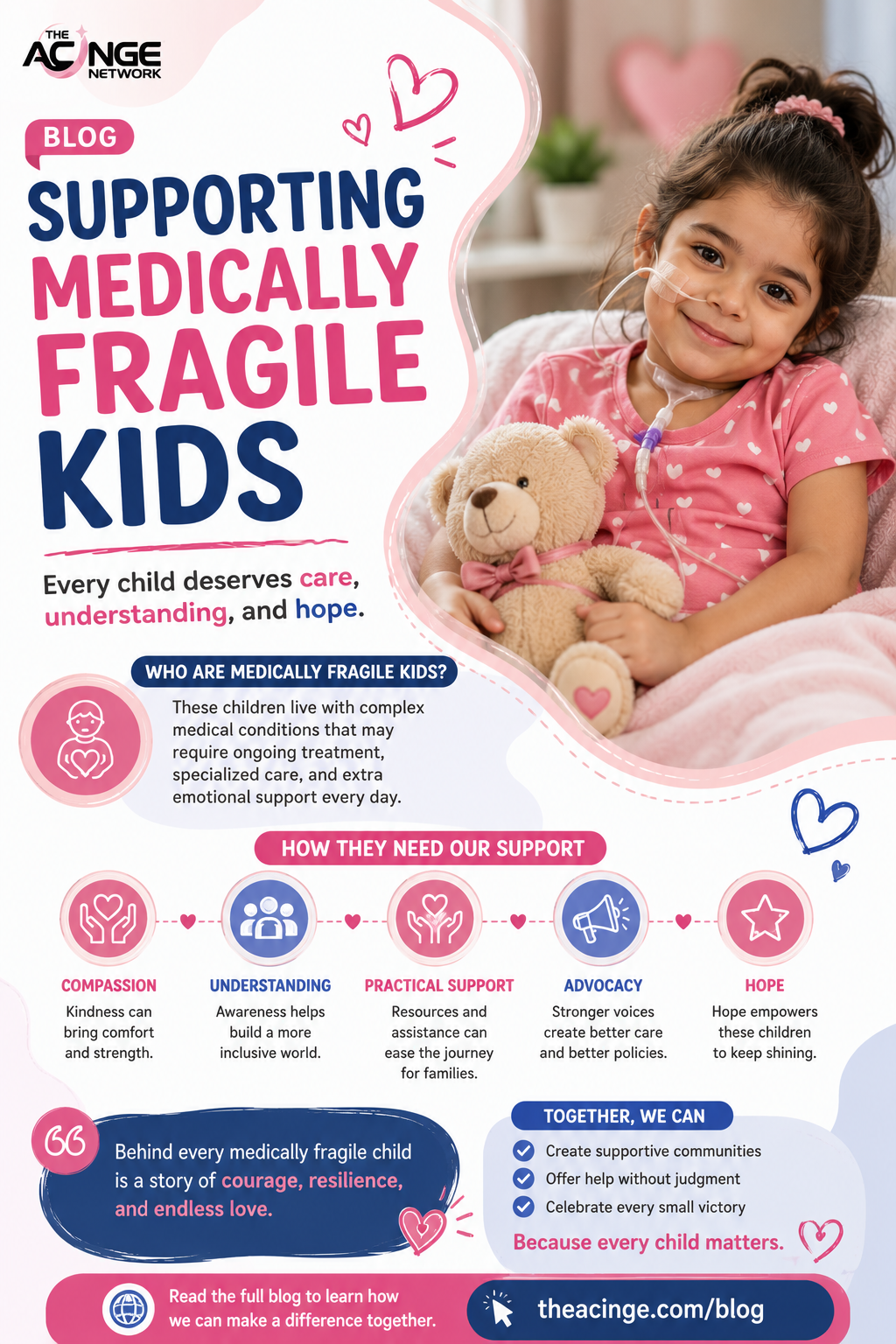
Every child deserves love, care, protection, and the opportunity to live a meaningful life. However, for medically fragile children and their families, daily life often involves challenges that many people may never fully understand.
In 2026, awareness around medically fragile children is becoming increasingly important as more families, caregivers, healthcare professionals, and communities work together to create better support systems for children with serious medical conditions.
Behind every medically fragile child is a family navigating emotional stress, medical responsibilities, financial pressure, and uncertainty while still trying to provide the best possible quality of life for their child.
This is why awareness, compassion, and community support matter more than ever.
What Does It Mean to Be Medically Fragile?
A medically fragile child is a child who has complex health conditions that require ongoing medical attention, specialized treatment, or continuous monitoring.
These children may experience:
- Chronic illnesses
- Neurological disorders
- Developmental conditions
- Respiratory complications
- Physical disabilities
- Genetic disorders
- Mobility challenges
Many medically fragile children depend on caregivers, medical equipment, medications, therapy, or regular hospital visits to maintain their health and well-being.
While every child’s condition is different, one thing remains the same: these children deserve understanding, support, and compassion.
The Daily Reality of Families and Caregivers
Caring for a medically fragile child requires extraordinary patience, dedication, and emotional strength.
For many parents and caregivers, daily life includes:
- Managing medications
- Monitoring health conditions
- Attending medical appointments
- Coordinating therapy sessions
- Communicating with doctors and specialists
- Handling emergencies
- Balancing work and caregiving responsibilities
These responsibilities can become physically exhausting and emotionally overwhelming over time.
Many caregivers sacrifice sleep, personal goals, financial stability, and social activities to ensure their children receive proper care.
Despite these challenges, families continue to show remarkable love and resilience every single day.
Why Awareness Matters in 2026
In today’s fast-moving digital world, important social and health-related issues are often overshadowed by entertainment and online trends.
Raising awareness about medically fragile children helps society better understand the challenges families face and encourages more compassionate communities.
Awareness matters because it:
- Reduces stigma and misunderstanding
- Encourages emotional support
- Promotes inclusiveness
- Inspires advocacy and donations
- Helps families feel seen and supported
- Creates conversations around healthcare and accessibility
The more people understand these challenges, the more supportive society can become.
The Emotional Challenges Families Face
Beyond the physical responsibilities, caring for a medically fragile child can deeply affect emotional and mental well-being.
Many families experience:
- Anxiety about their child’s health
- Emotional exhaustion
- Financial stress
- Feelings of isolation
- Fear about the future
- Caregiver burnout
Some caregivers spend years focusing entirely on their child’s medical needs while neglecting their own emotional health.
This is why emotional support and community understanding are extremely important.
Families should never feel alone in their journey.
Financial Challenges of Medical Care
Medical care can be incredibly expensive for many families.
Costs may include:
- Hospital visits
- Medications
- Specialized equipment
- Physical therapy
- Home care assistance
- Transportation for medical appointments
In many cases, one parent may reduce work hours or stop working completely to become a full-time caregiver.
This creates additional financial pressure on families already dealing with emotional stress.
Supporting medically fragile children also means supporting the families who care for them.
The Importance of Compassion in Society
Compassion plays a major role in creating a better environment for medically fragile children.
Simple acts of kindness can make a significant difference, including:
- Offering emotional encouragement
- Listening without judgment
- Providing practical support
- Sharing awareness online
- Volunteering
- Donating resources
Even small gestures can help families feel supported and understood.
In a world that often moves quickly, compassion reminds people to slow down and care for one another.
How Communities Can Help
Communities play an important role in improving the lives of medically fragile children and their families.
Support can come from:
- Friends and relatives
- Schools and educators
- Religious organizations
- Healthcare workers
- Local businesses
- Online communities
Communities can help by:
- Creating inclusive spaces
- Raising awareness
- Supporting caregivers emotionally
- Organizing fundraising efforts
- Advocating for accessibility and healthcare support
Strong communities reduce isolation and create a sense of belonging for families facing difficult circumstances.
The Power of Digital Awareness
The internet has made it easier than ever to spread awareness and educate people globally.
Blogs, social media platforms, videos, and online communities allow people to:
- Share real stories
- Educate others
- Build supportive networks
- Encourage compassion
- Inspire positive action
Digital awareness can create real impact when people use online platforms to spread meaningful messages instead of negativity.
In 2026, online storytelling continues to be one of the most powerful ways to inspire empathy and understanding.
Why Inclusive Environments Matter
Medically fragile children deserve to feel included, respected, and valued in society.
Inclusive environments help children:
- Build confidence
- Feel emotionally supported
- Participate in social activities
- Experience belonging and acceptance
Schools, communities, and organizations should work toward creating spaces where children with medical conditions feel safe and included.
Inclusion improves emotional well-being not only for children but also for their families.
Supporting Caregivers Is Equally Important
Caregivers often spend so much time caring for others that they forget to care for themselves.
Supporting caregivers is essential because caregiver burnout is real.
Caregivers need:
- Emotional support
- Rest and recovery
- Encouragement
- Mental health awareness
- Community assistance
When caregivers are supported, they are better able to care for their children effectively.
Society should recognize the incredible sacrifices many caregivers make every day.
How Technology Is Helping Medically Fragile Children
Technology continues to improve the lives of medically fragile children in many ways.
Advancements in healthcare technology now provide:
- Better monitoring systems
- Telemedicine services
- Improved communication tools
- Assistive medical devices
- Remote healthcare access
Digital communities also help families connect with others facing similar experiences, reducing feelings of isolation.
Technology has created new opportunities for education, communication, and support.
Raising Awareness Through Storytelling
Stories are powerful because they create emotional connection and understanding.
When families share their experiences, they help others:
- Understand their reality
- Develop empathy
- Learn how to support others
- Become more compassionate
Authentic storytelling reminds society that behind every medical condition is a real child and a real family facing daily challenges.
Awareness begins when people are willing to listen and learn.
Why Kindness Matters More Than Ever in 2026
In today’s digital world, negativity spreads quickly online. However, kindness remains one of the most powerful forces people can share.
Supporting medically fragile children is not only about medical care—it is about humanity, compassion, dignity, and emotional support.
People may not always understand what families are going through, but empathy can make a huge difference.
A supportive message, kind conversation, or shared story can positively impact someone’s life more than people realize.
Building a More Supportive Future
Creating a better future for medically fragile children requires collective effort from society.
This includes:
- Raising awareness
- Supporting caregivers
- Promoting inclusiveness
- Encouraging compassion
- Improving access to healthcare resources
The more society becomes informed and compassionate, the better support systems families can receive.
Every child deserves hope, love, and the opportunity to thrive regardless of medical challenges.
Final Thoughts
Supporting medically fragile children is about more than healthcare—it is about creating a compassionate society where families feel supported, understood, and valued.
In 2026, awareness and empathy are more important than ever. Families caring for medically fragile children face emotional, physical, and financial challenges every day, yet they continue to show extraordinary resilience and love.
By raising awareness, spreading kindness, supporting caregivers, and building inclusive communities, people can help make life better for medically fragile children and their families.
Every child deserves dignity. Every caregiver deserves support. And every act of compassion matters.
For more inspiring stories, awareness content, personal growth insights, and digital opportunities,
visit theacinge.com