In today’s fast moving digital world, businesses can no longer rely solely on off the shelf software to meet their unique operational needs. Every organization has its own workflows, customer expectations, and long term goals. This is where custom software development services play a critical role. Custom software is designed, developed, and maintained specifically for a particular business, ensuring better alignment with business objectives and higher efficiency.
This comprehensive guide explains custom software development services in detail, covering everything from the initial idea to building a scalable and future ready product.
What Are Custom Software Development Services
Custom software development services involve creating tailored software solutions based on a company’s specific requirements. Unlike ready made software, custom solutions are built from scratch or customized heavily to fit exact business processes.
These services typically include requirement analysis, software design, development, testing, deployment, and ongoing maintenance. Businesses across industries such as healthcare, finance, education, retail, logistics, and technology rely on custom software to gain a competitive edge.
Why Businesses Choose Custom Software Development
Many organizations move toward custom software because standard solutions often fail to address complex or unique needs. Custom software offers flexibility, scalability, and control that pre built tools cannot provide.
Key benefits include improved productivity, better integration with existing systems, enhanced security, and the ability to scale as the business grows. Custom solutions also allow businesses to differentiate themselves in the market by offering unique features and experiences.
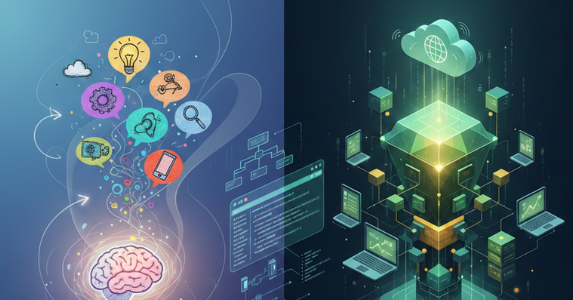
From Idea to Reality: The Custom Software Development Lifecycle
Idea Discovery and Business Analysis
Every successful software product begins with a clear idea. At this stage, businesses define the problem they want to solve, the target audience, and the expected outcomes. Software development teams work closely with stakeholders to understand business goals, pain points, and technical constraints.
This phase often includes feasibility studies, market research, and competitor analysis. A strong foundation at this stage reduces risks and ensures the final product aligns with business objectives.
Requirement Gathering and Documentation
Once the idea is validated, detailed requirements are gathered. This includes functional requirements such as features and workflows, and non functional requirements such as performance, security, and scalability.
Clear documentation is essential. It acts as a roadmap for developers and helps avoid misunderstandings later in the project. Well defined requirements also contribute to accurate cost estimation and project timelines.
Software Architecture and Design
In this phase, the technical blueprint of the software is created. Architects decide how different components will interact, which technologies will be used, and how data will be managed.
User interface and user experience design also take place here. A well designed interface improves usability, customer satisfaction, and adoption rates. The goal is to build a system that is not only functional but also intuitive and visually appealing.
Custom Software Development and Coding
This is where the actual development begins. Developers write code based on the approved designs and requirements. Depending on the project, development may follow agile, iterative, or waterfall methodologies.
Modern custom software development often uses agile practices, allowing continuous feedback and improvements. This ensures the product evolves according to changing business needs and user feedback.
Quality Assurance and Testing
Testing is a critical part of custom software development services. Quality assurance teams test the software for bugs, security vulnerabilities, performance issues, and compatibility across devices and platforms.
Types of testing may include unit testing, integration testing, system testing, and user acceptance testing. Thorough testing ensures the software is reliable, secure, and ready for real world use.
Deployment and Implementation
After successful testing, the software is deployed to a live environment. This may involve cloud deployment, on premise installation, or hybrid setups depending on business needs.
The implementation phase also includes user training, documentation, and support to ensure a smooth transition. A well planned deployment minimizes downtime and operational disruptions.
Maintenance, Support, and Continuous Improvement
Custom software development does not end with deployment. Ongoing maintenance is essential to fix bugs, apply security updates, and add new features.
As businesses grow and markets evolve, software must adapt. Continuous improvement ensures the product remains relevant, scalable, and aligned with long term goals.
Types of Custom Software Development Services
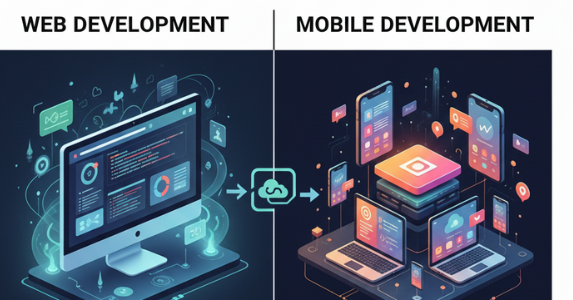
Web Application Development
Custom web applications are built to meet specific business needs and are accessible through browsers. These solutions are ideal for customer portals, enterprise systems, and online platforms.
Mobile Application Development
Custom mobile apps provide personalized user experiences on smartphones and tablets. Businesses use them to improve customer engagement, streamline operations, and increase brand loyalty.
Enterprise Software Development
Enterprise solutions handle complex workflows, large datasets, and multiple integrations. These systems are designed for scalability, security, and high performance.
Cloud Based Software Development
Cloud solutions offer flexibility, cost efficiency, and scalability. Custom cloud software enables businesses to access applications and data from anywhere while reducing infrastructure costs.
Software Integration Services
Custom integration services connect different systems and applications, enabling seamless data flow and improved efficiency. This is essential for organizations using multiple tools and platforms.
Scalability in Custom Software Development
Scalability is one of the most important aspects of custom software. A scalable product can handle increased users, data, and transactions without performance issues.
Scalable software is built using modular architecture, cloud infrastructure, and optimized databases. Planning for scalability from the beginning helps avoid costly redesigns in the future.
Security and Compliance Considerations
Custom software development services prioritize security by implementing robust authentication, data encryption, and access controls. Businesses can also ensure compliance with industry regulations and data protection laws.
Unlike generic software, custom solutions allow full control over security measures, reducing the risk of vulnerabilities and data breaches.
Choosing the Right Custom Software Development Partner
Selecting the right development partner is critical for project success. Businesses should evaluate a provider’s experience, technical expertise, communication practices, and portfolio.
A reliable partner understands business goals, offers transparent pricing, and provides long term support. Collaboration and clear communication ensure the final product meets expectations.
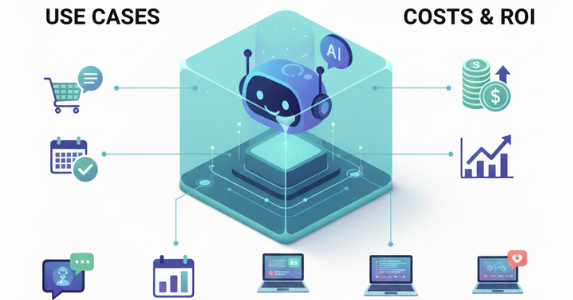
Cost of Custom Software Development Services
The cost of custom software development varies based on project complexity, features, technology stack, and development timeline. While custom solutions may require higher upfront investment, they often deliver better return on investment in the long run.
Custom software reduces licensing fees, improves efficiency, and supports business growth, making it a strategic investment rather than an expense.
Future Trends in Custom Software Development
The future of custom software development includes increased use of artificial intelligence, machine learning, automation, and data driven solutions. Businesses are also adopting low code platforms, cloud native architectures, and microservices.
Staying updated with these trends helps organizations build innovative and future proof products.
Conclusion
Custom software development services provide businesses with the flexibility, control, and scalability needed to succeed in a competitive digital landscape. From transforming an idea into a functional product to scaling it for future growth, custom software supports every stage of business evolution.
By investing in tailored solutions, organizations can improve efficiency, enhance customer experiences, and achieve long term success. Choosing the right development partner and planning for scalability and security ensures that custom software becomes a powerful asset rather than just a tool.